

Up to 40,000 people died during the early modern witch craze.[1] Throughout this time, peoples’ understanding of witches frequently changed, in relation to ‘maleficia’ and the nature of witches, their gender, the law, the Reformation and the scepticism that emerged during the Enlightenment. It was originally believed that witches practised magic, or ‘maleficia,’ on theirContinue reading “The Changing Nature of Witchcraft in the 16th and 17th Centuries”
Category Archives: Uncategorized
The Queer Displacement of Desire in ‘Frankenstein’ and ‘Dracula’

Today we navigate through the dangerously queer displacements of desire in ‘Frankenstein’ and ‘Dracula’! Before we start, some definitions: ‘Displacement’ originates from Freud and is defined as the unconscious ‘shifting of energy’ from one person to another, the ‘energy’ in question being desire. [1] ‘Queer’ refers to anything that opposes the dominant ideals that humanityContinue reading “The Queer Displacement of Desire in ‘Frankenstein’ and ‘Dracula’”
Defeating Covid-19 with ‘Little Women’

This post contains full spoilers about ‘Little Women’! Louisa May Alcott’s semi-autobiographical novel has charmed the hearts of Americans for generations. I only took notice of it following the release of Greta Gerwig’s adaptation in December 2019, which prompted me to read the book. Although I wouldn’t describe it as the most gripping read, itContinue reading “Defeating Covid-19 with ‘Little Women’”
Being a Conscious Reader, the Consciousness and Hamlet

The term ‘consciousness’ is used to describe a person’s perception or awareness of something else, and as an English literature student, exploring the conscious mind of a character is how one truly gets to know them. By exploring their innermost fears, desires and loves, the true nature of a character’s personality can be revealed. TheContinue reading “Being a Conscious Reader, the Consciousness and Hamlet”
Aurangzeb: Dispelling Myths about Religious Intolerance
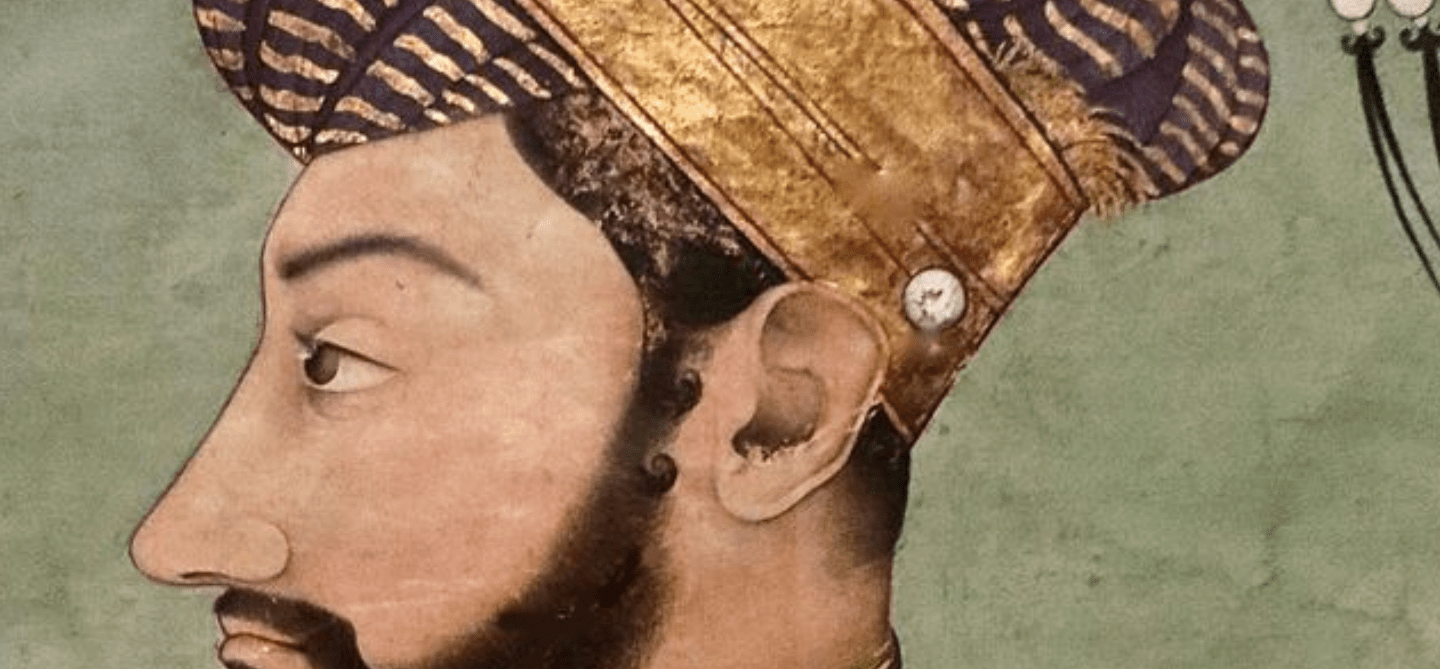
Emperor Aurangzeb is frequently viewed as a discriminatory figure, unlike his great grandfather Emperor Akbar, who is celebrated for his religious policy of tolerance. However, if we look past this, it becomes clear that Aurangzeb’s main concern was the maintenance of the empire, and not religion. What people view as Aurangzeb’s botched and discriminatory religiousContinue reading “Aurangzeb: Dispelling Myths about Religious Intolerance”
Covid-19 and Dystopian Literature

Now, as a student of both English and History, I’m not surprised that both topics have the ability to predict the future. We are living in unprecedented times, and probably facing the biggest crisis most of us will face in our lifetimes. The first thing I thought of, when I watched Boris enforce a quarantine,Continue reading “Covid-19 and Dystopian Literature”
O! O! O! Othello’s Oddly Onnoying Onderdevelopment

Some criticisms of Othello… Now, I like Othello. Shakespeare brings the issue of race into his plays, and really paints a stunning portrait of a pure marriage that is slowly poisoned. Despite that being at the heart of the play, I found that a lot of other aspects of it are slightly underdeveloped… and evenContinue reading “O! O! O! Othello’s Oddly Onnoying Onderdevelopment”
Fact in Fiction: Anne Boleyn in ‘Wolf Hall’

An analysis of Anne Boleyn’s portrayal in Hilary Mantel’s acclaimed novel, ‘Wolf Hall’! Anne Boleyn is a central character in the book ‘Wolf Hall,’ by Hilary Mantel. Thomas Cromwell’s rise to power centred on the annulment of Henry VIII’s marriage to Catherine of Aragon, as Cromwell was proactive in speeding up the divorce, and ensuringContinue reading “Fact in Fiction: Anne Boleyn in ‘Wolf Hall’”
Defending Estella from ‘Great Expectations’

A case for one of Dickens’ frostiest characters. To match with the chilly weather that we are getting this January I thought I’d write about one of the iciest characters out there, Estella from Charles Dickens’ ‘Great Expectations.’ Her reputation precedes her, and I for one can’t understand Pip’s infatuation with her… or people’s hatredContinue reading “Defending Estella from ‘Great Expectations’”
The Gothic in ‘A Christmas Carol’

Searching for the Gothic in Dickens’ Christmas classic! ‘A Christmas Carol’ is a classic Christmas story, as it encompasses all that should be at the heart of Christmas. Love, joy, family… and a prize turkey that can feed the five thousand. It also gives us the lesson that people can change and that sometimes theyContinue reading “The Gothic in ‘A Christmas Carol’”
 Khambay's Words, Words, Words