

Elizabeth encountered several problems throughout her long reign which included faction, developing from Cecil and Essex, war and the issue of succession. But did these issues cause significant political instability? The development of faction with Elizabeth’s government only led to moderate political instability within England. John Guy notes that Essex and Cecil ‘rivalled’ each otherContinue reading “Was there political instability in Elizabeth I’s government?”
Tag Archives: History
Did Martin Luther’s 95 Theses represent a serious challenge to the Roman Catholic Church?
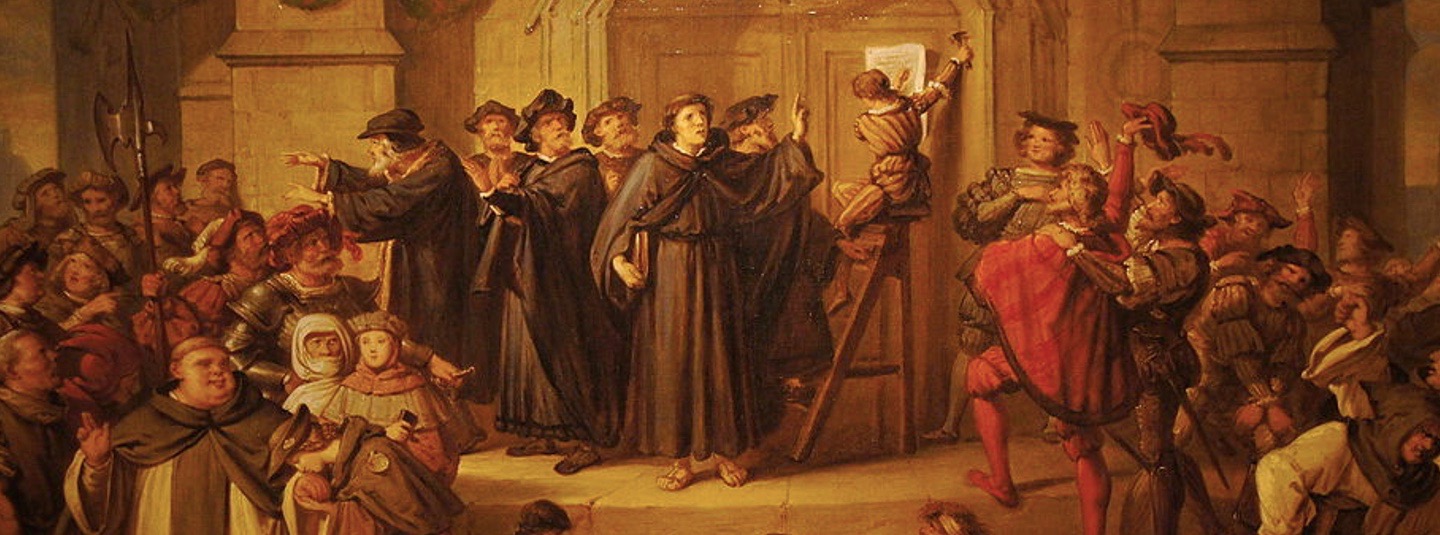
During the years 1517 to 1520, Luther’s 95 Theses spread rapidly across Germany. The These were originally written as an attack against Johann Tetzel’s selling of Indulgences, which were ‘permits’ that could be purchased from the Church to gain salvation. Obviously you cannot ‘buy’ salvation from God, so Luther clocked on that the Church wasContinue reading “Did Martin Luther’s 95 Theses represent a serious challenge to the Roman Catholic Church?”
Did the lives of Black Americans improve during the Reconstruction period of 1865-1877?

After the American Civil War, and the abolition of slavery, America entered into a Reconstruction period, which was originally designed by Lincoln to improve the lives of former black American slaves. Andrew Johnson took over reforms upon Lincoln’s assassination on April 14th 1865, and following this Johnson and Ulysses Grant oversaw the remaining years ofContinue reading “Did the lives of Black Americans improve during the Reconstruction period of 1865-1877?”
Magna Carta and Religious Change in the Tudor Era

Magna Carta was drawn up in 1215 with the intention of limiting the power of the crown and has since been used to defend individual liberties.[1] It was used frequently with the intention of affecting religious change during the Tudor period. Magna Carta was primarily used to aid the learning of young lawyers at theContinue reading “Magna Carta and Religious Change in the Tudor Era”
Henry VIII and Donald Trump: More alike than not?

Henry VIII and Donald Trump are probably two of the most famous men in history… but don’t tell them that or we’ll never hear the end of it. On the surface, I didn’t think they would have much in common, but there was more there than I thought. Beginnings Both are second sons, so wereContinue reading “Henry VIII and Donald Trump: More alike than not?”
Murder! Victorian Crime Firsts

The Victorians really would’ve loved all the crime channels we have nowadays. It was in this era that the thirst for all things crime really took off, and newspaper companies noticed this in their sales. Papers would see spikes in sales when reporting high profile crimes, which was bolstered by people’s belief in the CriminalContinue reading “Murder! Victorian Crime Firsts”
205 Years On: Why did Napoleon fail at Waterloo?
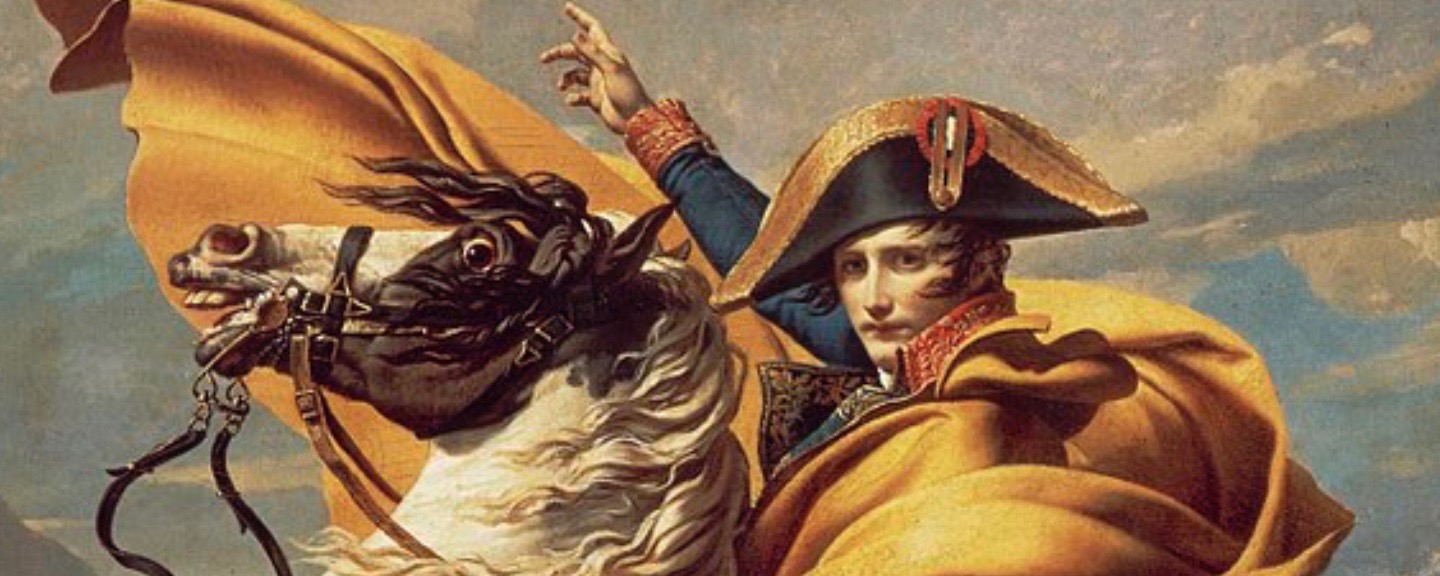
Napoleon was initially successful in his European campaign, which spanned from 1803 to 1815, but this changed for the worse overtime. It was Napoleon’s own poor decision making that led to the depletion of the Grand Armée over time, which allowed the Coalition to eventually defeat him at the Battle of Waterloo in 1815. NapoleonContinue reading “205 Years On: Why did Napoleon fail at Waterloo?”
Lucrezia Borgia: Incest, Poison and Sexual Scandal?

Lucrezia Borgia’s reputation precedes her, as the debauched daughter of Rodrigo Borgia, more commonly known as Pope Alexander VI. The Borgia family dominated Renaissance Italy, and some describe them as Italy’s original crime family. What an iconic bunch. Lucrezia gets a lot of attention, especially in relation to her three marriages, and reputation as anContinue reading “Lucrezia Borgia: Incest, Poison and Sexual Scandal?”
Plutarch on the real Antony and Cleopatra
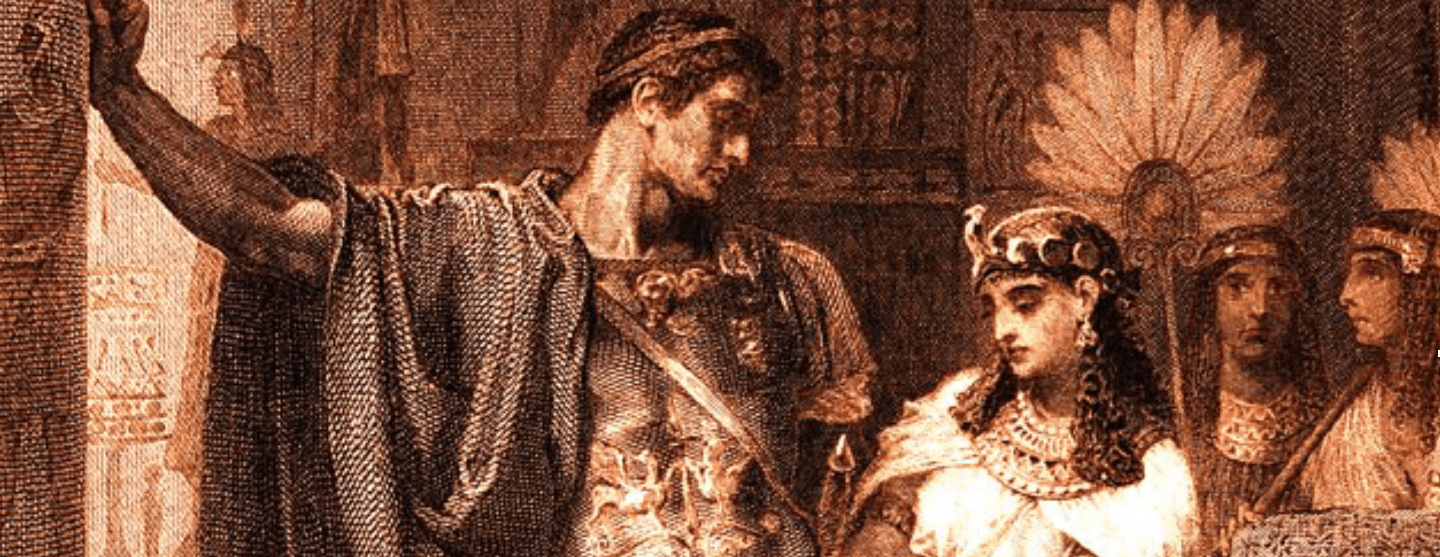
It’s difficult to separate the fact from the fiction, when dealing with Mark Antony and Cleopatra, as so little sources survive about their love affair. One that does and is fairly accessible, is that of Plutarch, a renowned Roman philosopher and biographer. Now, he was not alive to witness these events first-hand, but his accountContinue reading “Plutarch on the real Antony and Cleopatra”
The Changing Nature of Witchcraft in the 16th and 17th Centuries

Up to 40,000 people died during the early modern witch craze.[1] Throughout this time, peoples’ understanding of witches frequently changed, in relation to ‘maleficia’ and the nature of witches, their gender, the law, the Reformation and the scepticism that emerged during the Enlightenment. It was originally believed that witches practised magic, or ‘maleficia,’ on theirContinue reading “The Changing Nature of Witchcraft in the 16th and 17th Centuries”

