
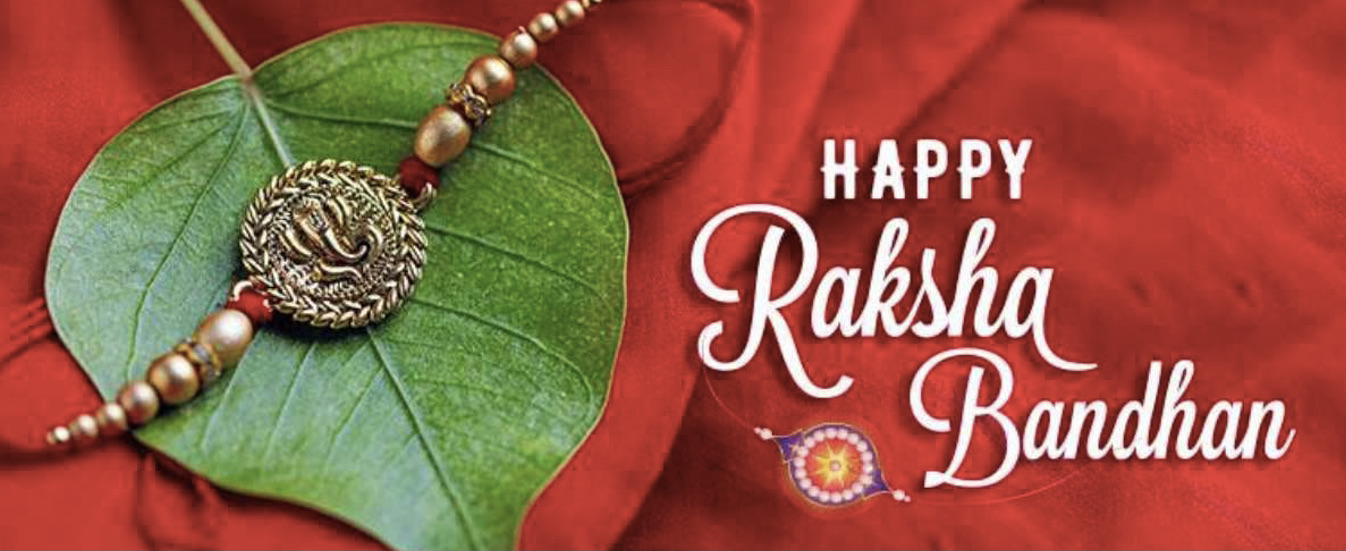
Raksha Bandhan is a Hindu festival that takes place every year. Although the date changes each year, traditionally the festival falls in August. This is because the festival occurs on the last day of the Hindu lunar calendar month of Shraavana. Although traditionally Hindu, the festival has been absorbed in the culture of India andContinue reading “Raksha Bandhan: A Brief History”
Tag Archives: South Asian
Vaisakhi: A Brief History

Vaisakhi is a festival observed by both Sikhs and Hindus in the Panjab. The festival is usually celebrated on the 13th of April, although in some years it has been celebrated on the 14th. Vaisakhi is a harvest festival for the people of Northern India, and for Hindus, Vaisakhi marks the beginning of the solarContinue reading “Vaisakhi: A Brief History”
The influence of scripture, tradition and law on the abolition of Sati

‘Women become sites upon which various versions of scripture, tradition and law are elaborated’ – Lata Mani. Mani’s sentiment rings true, as scripture, tradition and law were used to address Sati, an issue that primarily concerned women. Women therefore did become sites upon which versions of these three sources were elaborated and developed. Although theseContinue reading “The influence of scripture, tradition and law on the abolition of Sati”
Bhangra: A Brief History
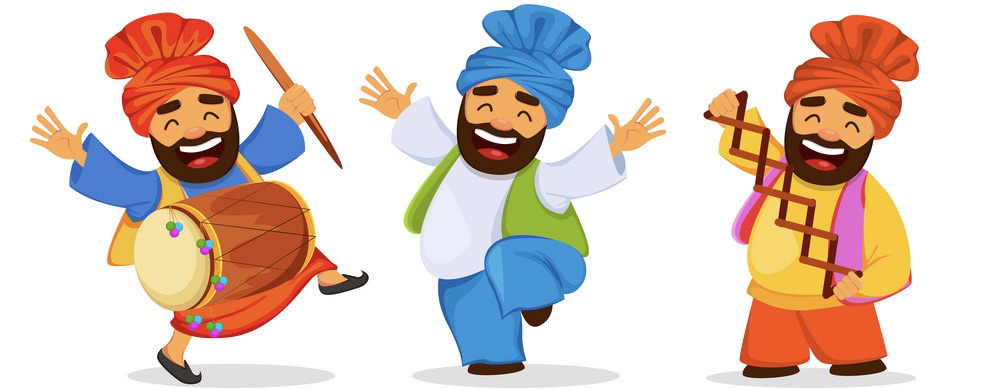
It is undisputed that Bhangra originates from the Panjab, a province in northern India. ‘Panjab’ means ‘the land of the five rivers.’ Bhangra itself has been around for over five hundred years. What is more disputed, and difficult to define, is the word ‘Bhangra’ itself. In general terms, Bhangra describes a traditional folk dance, usuallyContinue reading “Bhangra: A Brief History”
What was the significance of policing inter-racial sexual liaisons in late eighteenth century India?

The significance of the policing of interracial sexual liaisons in the 1790s cannot be realised without understanding Britain’s previous activities in India. Since its conception in the seventeenth century, the East India Trading Company’s primary function was the building and maintaining of trade links with India as a whole.[1] This holistic focus began to narrowContinue reading “What was the significance of policing inter-racial sexual liaisons in late eighteenth century India?”
To what extent did women exercise political power within the Ottoman, Safavid, and Mughal Dynasties?

Within the Ottoman, Safavid and Mughal empires, it is a common belief that women were subject to ‘widespread oppression and subordination.’[1] However, this view can be deemed reductive It is within the dynastic setting that women were able to exercise a degree of political power even if they did not always have full autonomy. ByContinue reading “To what extent did women exercise political power within the Ottoman, Safavid, and Mughal Dynasties?”
How did Britain gain control of India?
The complicated relationship between Britain and India began with the formation of the East India Company in 1600, by the command of Elizabeth I. the intention of the company was to explore and to compete with other powers in the East Indies. Britain was not successful here, so turned her attention to India. In 1640,Continue reading “How did Britain gain control of India?”
Aurangzeb: Dispelling Myths about Religious Intolerance
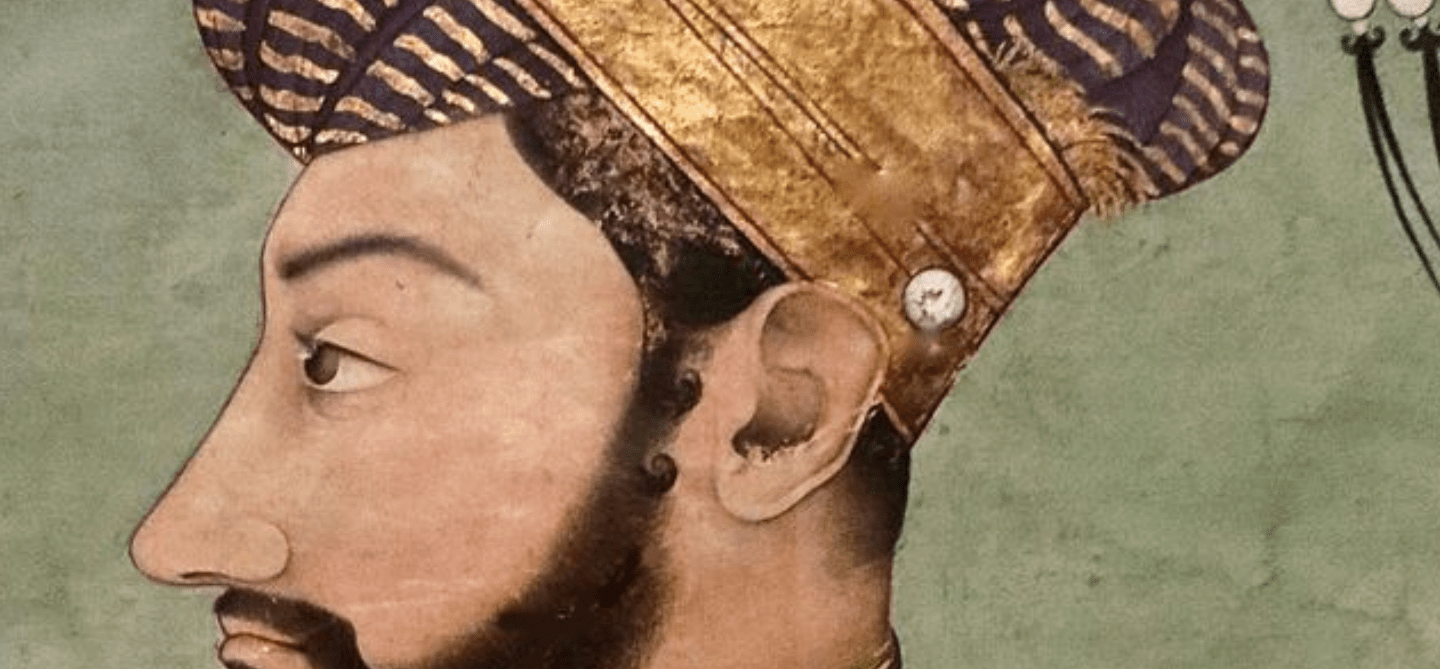
Emperor Aurangzeb is frequently viewed as a discriminatory figure, unlike his great grandfather Emperor Akbar, who is celebrated for his religious policy of tolerance. However, if we look past this, it becomes clear that Aurangzeb’s main concern was the maintenance of the empire, and not religion. What people view as Aurangzeb’s botched and discriminatory religiousContinue reading “Aurangzeb: Dispelling Myths about Religious Intolerance”

