
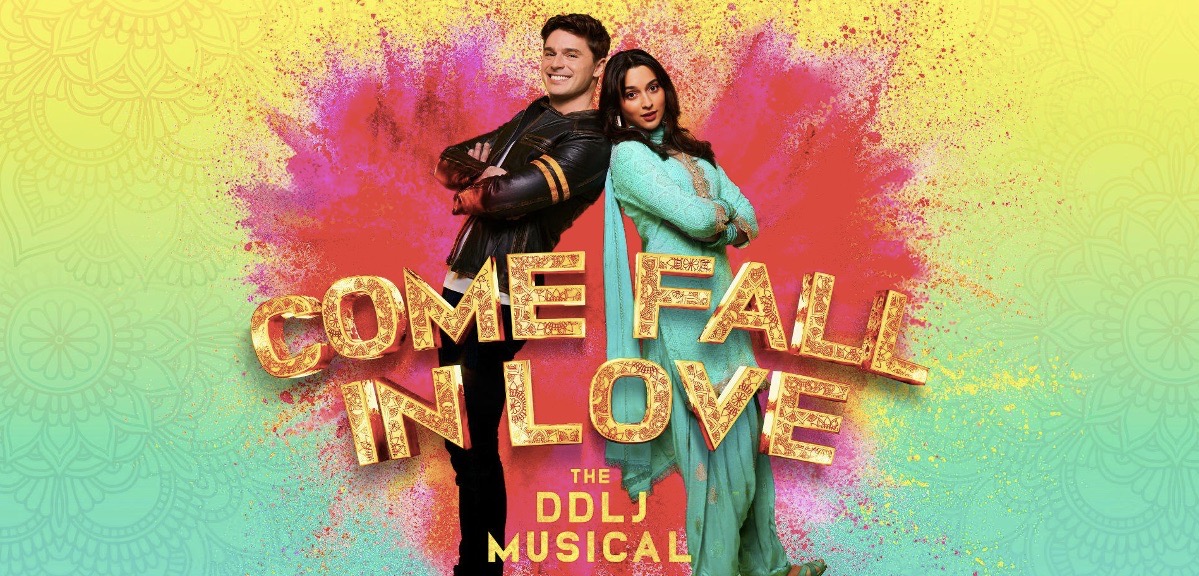
East meets west in ‘Come Fall in Love – the DDLJ Musical’ which is playing at the Manchester Opera House. Based on Aditya Chopra’s 1995 classic ‘Dilwale Dulhania Le Jayenge’ the story follows British Indian born Simran (Jena Pandya) and Roger (formerly Raj, played by Ashley Day) as they embark on a trip around EuropeContinue reading “‘Come Fall in Love – The DDLJ Musical’ at the Manchester Opera House Review: A colourful, joyous adaptation of the Bollywood classic that is easy to fall in love with”
Tag Archives: Theatre
‘Permission’ at the Tara Theatre Review: A nuanced and thought-provoking take on the Muslim woman’s fight for liberation

The Tara Theatre in Earlsfield is known for crafting compelling work that explores the world through a South Asian lens. It’s latest production, ‘Permission,’ written Hunia Chawla and directed by Neetu Singh, follows the friendship of Hanna and Minza, two young women from Karachi whose lives take them in different directions. Anisa Butt’s Hanna travelsContinue reading “‘Permission’ at the Tara Theatre Review: A nuanced and thought-provoking take on the Muslim woman’s fight for liberation”
‘The Great Gatsby’ at the London Coliseum Review: A star-studded spectacle that infuses the American classic with a newfound vitality
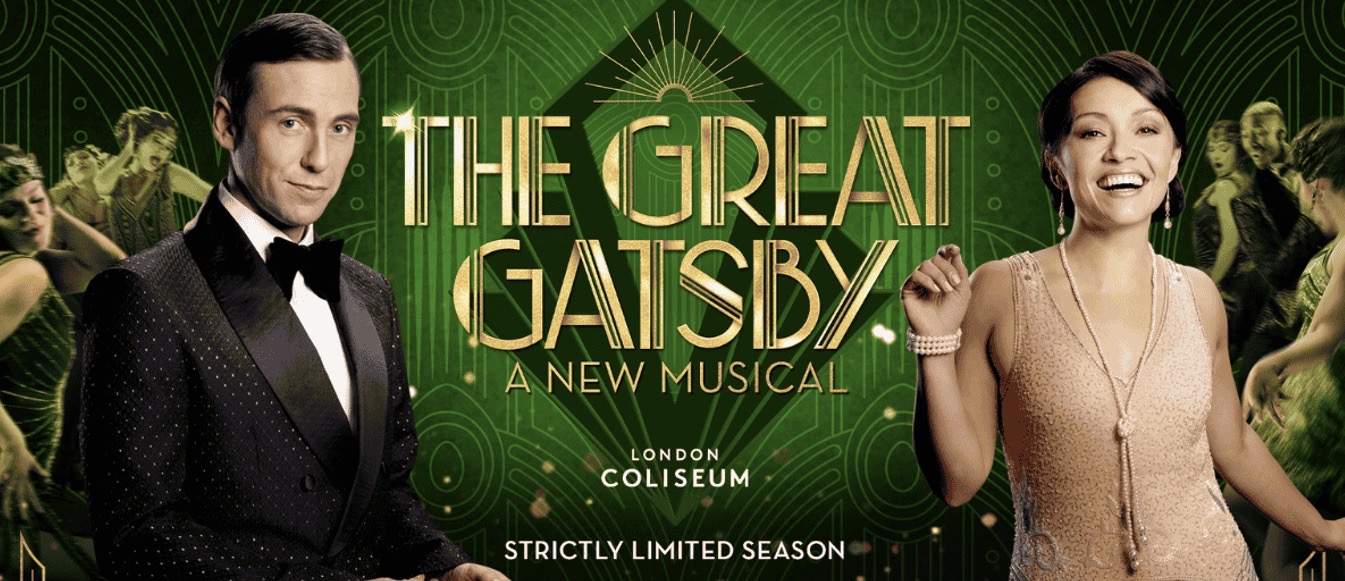
The West End’s latest offering, ‘The Great Gatsby,’ officially launched last Thursday with what has been described as the press night to end all press nights. I was lucky enough to attend and can safely say that this statement is pretty bang on. Based on the successful Broadway show, which itself is based on F.Continue reading “‘The Great Gatsby’ at the London Coliseum Review: A star-studded spectacle that infuses the American classic with a newfound vitality”
‘Ghosts’ at the Lyric Hammersmith Review – a gripping reimagining that digs deeper into the heart of Ibsen’s scandalous classic

Countless students have pored over Henrik Ibsen’s stories and characters, myself included. Whilst his works were shocking and scandalous at the time of publication, ‘Ghosts’ was first performed in 1882, restaging Ibsen’s plays today runs the risk of losing the original shock factor. This is where Gary Owen and Rachel O’Riordan’s reimagining of the sourceContinue reading “‘Ghosts’ at the Lyric Hammersmith Review – a gripping reimagining that digs deeper into the heart of Ibsen’s scandalous classic”
‘Speed’ at the Bush Theatre Review and Analysis: A Portrait of South Asian Rage, Trauma and Identity

The Bush Theatre’s newest show, written and directed by Mohamed Zain-Dada and Milli Bhatia respectively, follows four British Asians whose paths cross at a speed awareness course, set in the basement of a Birmingham-based hotel. A play with an all-Asian cast, writer and director slots well into the Bush Theatre’s rich history of giving aContinue reading “‘Speed’ at the Bush Theatre Review and Analysis: A Portrait of South Asian Rage, Trauma and Identity”
‘The Phantom of the Opera’ 1910: The Phantom, Raoul and Christine – A Toxic Love Triangle
Happy (early) Valentines Day! What better day to break down one of literatures most famous love triangles? Gaston Leroux’s novel ‘The Phantom of the Opera’ has charmed, and haunted, the world long before Andrew Lloyd Webber took to his keyboard. Despite the books success though, it was Webber’s words that immortalised the story and lovesContinue reading “‘The Phantom of the Opera’ 1910: The Phantom, Raoul and Christine – A Toxic Love Triangle”
‘Frankie Goes to Bollywood’ at the Southbank Centre: An Analysis

Pravesh Kumar’s ‘Frankie Goes to Bollywood’ is currently playing at the Southbank Centre and has just celebrated it’s one hundredth show. The billion-colour musical is true to its name and follows eponymous heroine Frankie on her journey to Bollywood stardom. It is a classic, fish out of water story, and one of self-discovery, set inContinue reading “‘Frankie Goes to Bollywood’ at the Southbank Centre: An Analysis”
‘Wuthering Heights’ at the National Theatre: An Analysis

Emily Brontë’s ‘Wuthering Heights’ is famously hard to adapt, in part because of the non-linear narrative and the nature of the protagonists. While the book has legions of fans, including myself, it is not difficult to understand why people would find Catherine Earnshaw and Heathcliff irritating, and why readers would find the narrative, and thereforeContinue reading “‘Wuthering Heights’ at the National Theatre: An Analysis”
‘A Doll’s House’ and ‘The Merchant’s Tale’: Hidden Truths Will Always Be Revealed

In ‘A Doll’s House’ and ‘The Merchant’s Tale,’ secrets drive the plot forward, and their reveal occurs at the climax of each respective work. A hidden truth can be interpreted as a known secret that it kept secret deliberately, which makes the reader question why, and for whose benefit. When discussing truth and secrecy inContinue reading “‘A Doll’s House’ and ‘The Merchant’s Tale’: Hidden Truths Will Always Be Revealed”
‘West Side Story’: An Analysis

‘West Side Story’ is recognised as one of the most popular musicals of all time, and it is not surprising that it has its roots in Shakespeare given the tragedy and romance of the whole affair. Almost all the songs have been subsumed into popular culture, and are instantly recognisable. The story takes Shakespeare’s ideaContinue reading “‘West Side Story’: An Analysis”
 Khambay's Words, Words, Words