

‘It’s too late!’[1] Tess Durbeyfield’s haunting utterance comes at the climax of Thomas Hardy’s Tess of the D’Urbervilles (1891) and expresses Tess’s anguish at her husband, Angel Clare’s, return. Although Angel and Tess wish to reunite, they cannot, as Tess has become the mistress of Alec D’Urberville, the man who sexually abused her in herContinue reading “My Dissertation: ‘It’s too late!’ An exploration of the conflicts that Tess Durbeyfield and Catherine Earnshaw encounter in ‘Tess of the D’Urbervilles’ and ‘Wuthering Heights’”
Author Archives: harpalkhambay
Pop Art: A Brief History

Pop Art is known for being visceral, bright and eye-catching. Although it has been around for less than one hundred years, it is probably one of the most instantly recognisable art movements. Originally developed in both Britain and America, Pop art was intended to move away from abstract expressionism, a movement which utilises grand, gesturalContinue reading “Pop Art: A Brief History”
Close Analysis: A Tudor Witch Bottle

The object is a salt-glazed witches bottle, which was discovered in Greenwich in 2004. Inside was a sample of human urine, bent nails and pins, a pierced leather heart, fingernail clippings, naval fluff and hair and sulphur and brimstone. The presence of these materials was illuminated by Joseph Blagrave’s ‘Astrological Practice of Physic’ which notedContinue reading “Close Analysis: A Tudor Witch Bottle”
The Ghostly Cycle in ‘A Tale of Two Cities,’ ‘The Legend of Sleepy Hollow’ and ‘Rip Van Winkle’

Perhaps no character is ‘recalled to life’ so forcefully as the Headless Horseman in Washington Irving’s The Legend of Sleepy Hollow (1820). The Horseman returns to the land of the living but does so without his head. In losing his head, he is physically deprived of an integral part of his being, and is thereforeContinue reading “The Ghostly Cycle in ‘A Tale of Two Cities,’ ‘The Legend of Sleepy Hollow’ and ‘Rip Van Winkle’”
‘Tess of the D’Urbervilles’ in ‘Fifty Shades of Grey’: Why it’s problematic

TW: Sexual Assault E.L James’s ‘Fifty Shades of Grey’ is no literary masterpiece, but what intrigued me the most about it was the numerous references to Thomas Hardy’s ‘Tess of the D’Urbervilles.’ For me personally, it is this that makes the book problematic. Anastasia is writing an essay on ‘Tess’ at the novels start, andContinue reading “‘Tess of the D’Urbervilles’ in ‘Fifty Shades of Grey’: Why it’s problematic”
The ‘Femme Fatale’ on Screen

The French phrase ‘Femme Fatale’ translates to ‘fatal woman,’ and describes an archetype that originates from the classic film noir of the 1940s and 50s. This stock character usually brings about the destruction of the protagonist, usually male, and manages to reject traditional ideals of femininity while she does. There have been many iterations ofContinue reading “The ‘Femme Fatale’ on Screen”
Historical Fiction: Can it make sense?
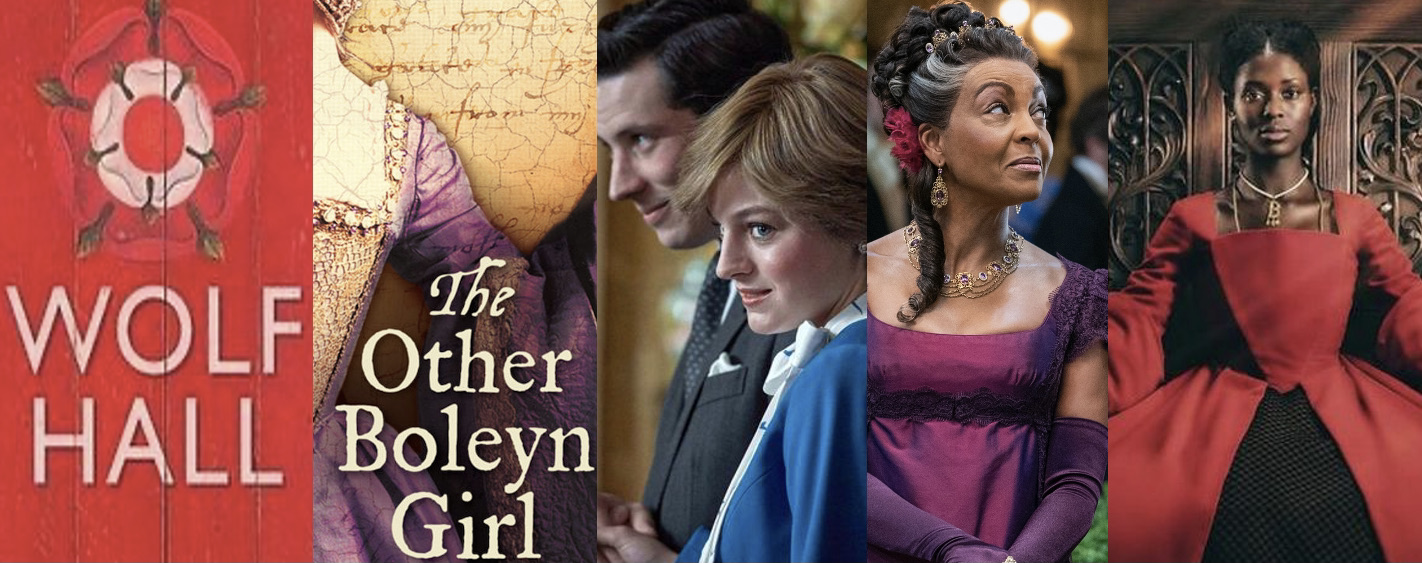
On the surface ‘historical fiction’ appears to be a contradictory term. ‘Historical’ clearly refers to events within the past, ‘fiction’ refers to ideas that are based upon the imagination. In theory these two ideas should not go together… so how do they? And what are the consequences? Hilary Mantel, author of ‘Wolf Hall,’ notes thatContinue reading “Historical Fiction: Can it make sense?”
Close Analysis: King Arthur’s round table at Winchester Castle
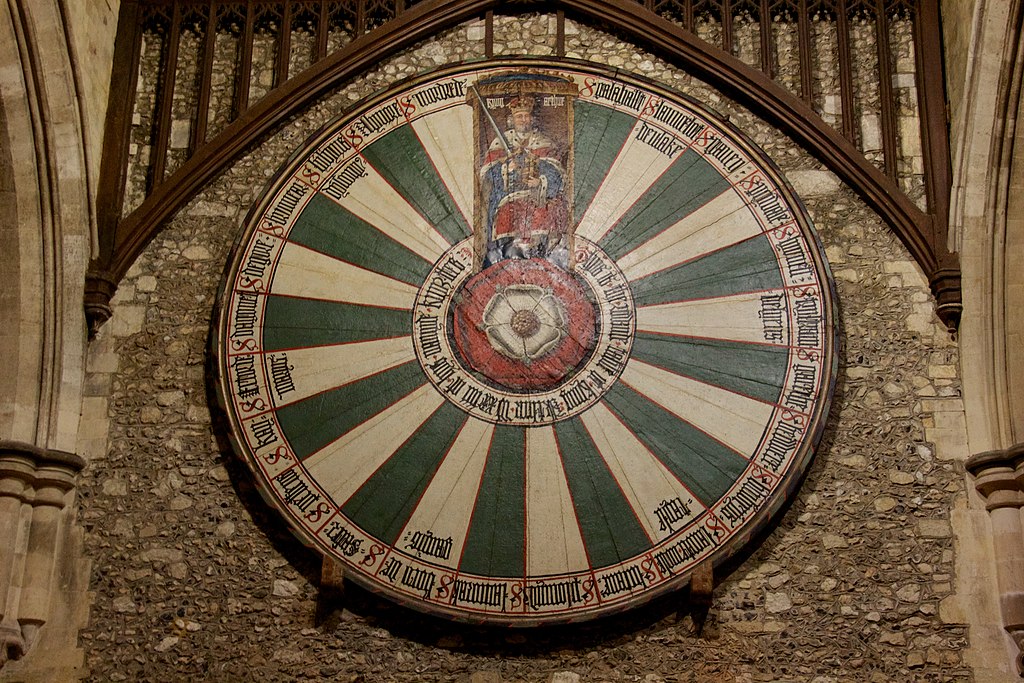
The object is King Arthur’s Round Table which is on display at Winchester Cathedral. The wood of the table dates back to the 1200s and was originally used at court for roundtable festivals. Edward I enjoyed Arthurian legends and the chivalric ideals they epitomised, and Martin Biddle argues that the table was created to celebrateContinue reading “Close Analysis: King Arthur’s round table at Winchester Castle”
Happiness as a vain illusion in Ibsen’s ‘A Doll’s House’ and Chaucer’s ‘The Merchant’s Tale’

‘The Merchant’s Tale’ and ‘A Dolls’s House’ both examine the idea of marriage, and what a truthful marriage really is. In Chaucer’s fabliau, and satire of courtly love, Januarie’s incorrect and over optimistic view of marriage appears as a vain illusion, especially when the audience is introduced to May’s clandestine affair with Damyan. Despite this,Continue reading “Happiness as a vain illusion in Ibsen’s ‘A Doll’s House’ and Chaucer’s ‘The Merchant’s Tale’”
Did Barack Obama’s election to the Illinois state senate secure his place as a candidate for the presidency?

When debating the most important factor that led to Obama’s nomination for presidency, many points in his career can be cited. Although the Illinois state was a significant turning point, his high profile and public image were the most significant factors that led to him becoming the candidate for presidency. Obama’s election to the IllinoisContinue reading “Did Barack Obama’s election to the Illinois state senate secure his place as a candidate for the presidency?”
 Khambay's Words, Words, Words