
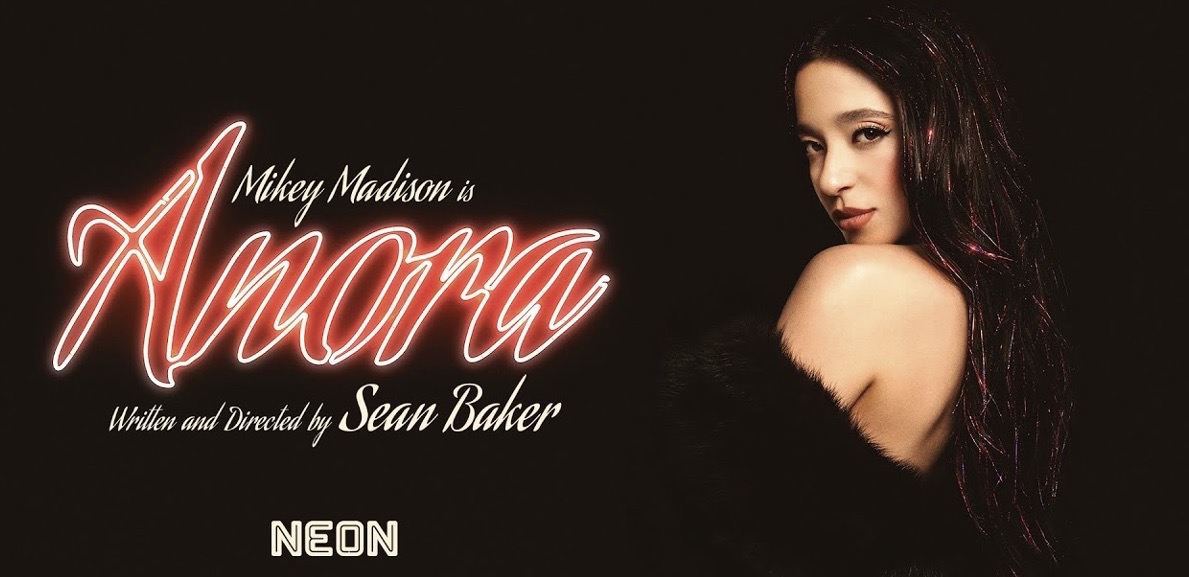
TW: Sex and Sexual Assault Sean Baker’s tragic, romantic comedy-drama took the most recent Oscar’s ceremony by storm and clinched the best actress award Mikey Maddison, who plays the eponymous heroine. There’s no doubt that from the opening seconds of the film, Maddison grabs the audience by the throat and does not let them go,Continue reading “‘Anora’ 2024 Analysis: Sex, Class and the Fairytale Narrative”
Tag Archives: Femme Fatale
Snow White: Origins, Womanhood and Christian Allegory

Disney’s Snow White hit cinemas last weekend after many controversies and tribulations. At the heart of the story is the famed fight for the fairest of them all between two iconic Disney, and literary, characters, the Evil Queen and Snow White. In the most recent adaptation these characters are played to perfection by Gal GadotContinue reading “Snow White: Origins, Womanhood and Christian Allegory”
The Corrupting Presence of Rebecca de Winter in ‘Rebecca’
Given the the title of du Maurier’s most famous work it is unsurprising that Rebecca dominates the entire plot, like some sort of Gothic spectre. Although she is dead, she manages to corrupt all characters, and the physical house of Manderley, while being corrupted herself. Rhododendrons are mentioned throughout the text, and they grow overContinue reading “The Corrupting Presence of Rebecca de Winter in ‘Rebecca’”
The ‘Femme Fatale’ on Screen

The French phrase ‘Femme Fatale’ translates to ‘fatal woman,’ and describes an archetype that originates from the classic film noir of the 1940s and 50s. This stock character usually brings about the destruction of the protagonist, usually male, and manages to reject traditional ideals of femininity while she does. There have been many iterations ofContinue reading “The ‘Femme Fatale’ on Screen”
Saint or Dragon? Johnny Byron’s presentation in ‘Jerusalem’

The protagonist in Butterworth’s 2009 play ‘Jerusalem’ comes in the form of Johnny Byron, a character that has been classed as ‘one of the most compelling, complex and iconic characters in modern British theatre’ by critic Paul Mason. He was portrayed by Mark Rylance. It is no doubt that the audience find the character comical,Continue reading “Saint or Dragon? Johnny Byron’s presentation in ‘Jerusalem’”
Cathy’s ‘I am Heathcliff!’ Speech: An Analysis
Cathy’s ‘I am Heathcliff!’ speech, is probably the most iconic declaration of love in literature. It is so long that it should probably be classed as a series of speeches. I certainly found it powerful and overwhelming, which leads me to believe that at the heart of ‘Wuthering Heights’ is a story about a loveContinue reading “Cathy’s ‘I am Heathcliff!’ Speech: An Analysis”
Ambrosio and Irony in ‘The Monk’

‘The Monk’ is a pretty crazy book, it grabs you by the throat and does not let go. It is not afraid to tackle difficult topics, and covers murder, corruption and incest in its monastic setting. It was difficult to write this and choose one topic to focus on, but I do feel that theContinue reading “Ambrosio and Irony in ‘The Monk’”
Lady Susan and Subverting Gender Roles

The title character of ‘Lady Susan’ would have been considered subversive in 1871, as she rejects traditional gender roles. Lady Susan actively uses men for her own advancement. In response to Sir James’ overtures of marriage to Lady Susan’s daughter, Frederica, Lady Susan decides to ‘lay aside the scheme for the present.’[1] The word ‘present’Continue reading “Lady Susan and Subverting Gender Roles”
Lucy Westenra’s Transformation in ‘Dracula’

Lucy and Mina are the two main female characters in the Gothic novel ‘Dracula,’ and both have very different roles. Mina is dark haired, Lucy is fair haired, Mina is the brains, Lucy is the progressive thinker, in terms of relationships and sex. Together they are ‘woman,’ and individually form two sides of the sameContinue reading “Lucy Westenra’s Transformation in ‘Dracula’”
Lydia Gwilt in ‘Armadale’: Flame-Haired Femme Fatale

Lydia Gwilt is the standout character of Wilkie Collins’s ‘Armadale,’ so much so that her wicked ways horrified Victorian readers. It’s no surprise given her status in the story as a liar, bigamist, husband poisoner and temptress. She was truly the antithesis of the demure, domestic and good-natured Victorian woman. I mean, in her firstContinue reading “Lydia Gwilt in ‘Armadale’: Flame-Haired Femme Fatale”
 Khambay's Words, Words, Words